Commercial Roofing Systems in Northeast Ohio: Flat Roof Solutions, TPO & EPDM Explained
February 22, 2026Commercial Roofing Systems in Northeast Ohio: Flat Roof Solutions, TPO & EPDM Explained is an essential topic for property owners, facility managers, and investors operating in a region known for unpredictable weather patterns and seasonal extremes. From heavy snowfall and freeze-thaw cycles in winter to summer heat, strong winds, and severe storms, commercial Roofing & Siding systems—including flat roofing assemblies and exterior cladding—must be engineered for durability, drainage efficiency, structural protection, and long-term energy performance.
Unlike residential roofing, commercial flat roofing systems involve specialized membranes, insulation assemblies, drainage designs, and maintenance strategies. This comprehensive guide explores TPO roofing, EPDM rubber roofing, modified bitumen systems, drainage solutions, roof coatings, preventative maintenance programs, and warranty considerations—providing a clear understanding of flat roof solutions in Northeast Ohio.
Understanding Commercial Flat Roofing Systems
Commercial flat roofing systems are commonly used for:
- Office buildings
- Warehouses
- Retail centers
- Manufacturing facilities
- Multi-family housing complexes
- Schools and healthcare facilities
Although often referred to as “flat,” these roofs are built with a slight slope to facilitate drainage. In Northeast Ohio’s climate, proper installation and maintenance are critical to prevent water ponding, membrane failure, and insulation damage.
A commercial flat roofing system typically includes:
- Structural deck
- Insulation layer
- Vapor barrier (when required)
- Waterproof membrane (TPO, EPDM, or modified bitumen)
- Flashing details
- Drainage components
Each component must function cohesively to provide long-term protection.
TPO Roofing: Energy-Efficient & Reflective Protection
What is TPO Roofing?
Thermoplastic Polyolefin (TPO) roofing is a single-ply membrane system widely used in commercial roofing systems across Northeast Ohio. It is heat-welded at the seams, creating a strong and watertight bond.
Benefits of TPO Roofing
- Reflective Surface (Cool Roof Performance) TPO membranes are typically white or light-colored, reflecting sunlight and reducing heat absorption.
- Energy Savings By lowering rooftop temperatures, TPO systems reduce cooling costs during summer months—especially important for large commercial facilities.
- UV Resistance TPO membranes are engineered to resist ultraviolet degradation, extending roof lifespan.
- Heat-Welded Seams Unlike adhesive-based systems, welded seams provide enhanced leak resistance.
- Environmental Benefits Many TPO systems are recyclable and meet cool roof standards promoted by the U.S. Department of Energy (https://www.energy.gov/).
Ideal Applications
TPO roofing is well-suited for:
- Retail plazas
- Distribution centers
- Office complexes
- Schools
For commercial property owners seeking energy efficiency and long-term performance, TPO is often the preferred flat roof solution.
EPDM Roofing: Durable & Flexible Rubber Membrane
What is EPDM Roofing?
EPDM (Ethylene Propylene Diene Monomer) is a synthetic rubber membrane known for its flexibility and durability. It has been widely used in commercial flat roofing systems for decades.
Benefits of EPDM Roofing
- Cost Efficiency EPDM is often more affordable than TPO while still providing reliable waterproofing.
- Temperature Flexibility Northeast Ohio’s climate includes extreme temperature swings. EPDM remains flexible in both hot summers and freezing winters.
- Proven Longevity Properly maintained EPDM roofs can last 25–30 years or more.
- Ideal for Large Roof Areas EPDM membranes are commonly installed on large commercial facilities such as warehouses and manufacturing plants.
Black vs. White EPDM
- Black EPDM absorbs heat and may help melt snow faster during winter.
- White EPDM reflects sunlight, contributing to energy efficiency.
EPDM remains a trusted solution for commercial roofing systems in Northeast Ohio due to its resilience and long-standing track record.
Modified Bitumen: Multi-Layer Protection
Modified bitumen roofing is an asphalt-based system reinforced with fiberglass or polyester. It is applied in multiple layers, providing enhanced durability.
Key Advantages
- Strong puncture resistance
- Multi-ply protection
- Good performance in fluctuating temperatures
- Compatibility with roof coatings
Modified bitumen systems are often used in:
- Restaurants
- Smaller commercial buildings
- Facilities requiring added foot traffic resistance
While less reflective than TPO, they can be enhanced with reflective roof coatings to improve energy efficiency.
Drainage Systems & Ponding Prevention
One of the most critical aspects of Commercial Roofing Systems in Northeast Ohio: Flat Roof Solutions, TPO & EPDM Explained is drainage design.
Why Drainage Matters
Flat roofs are particularly vulnerable to:
- Water ponding
- Ice accumulation
- Membrane stress
- Structural strain
Heavy snow and rainfall common in Northeast Ohio increase these risks.
Key Drainage Components
- Proper Roof Slope Even a slight slope ensures water flows toward designated drains.
- Interior Drains Installed within the roofing system to carry water through piping systems.
- Scuppers Openings at roof edges allowing water to exit.
- Overflow Systems Secondary drainage protection during heavy storms.
- Routine Debris Removal Leaves, branches, and debris block drainage pathways and must be cleared regularly.
Failure to maintain drainage systems can result in costly structural damage.
Roof Coating Systems: Extending Roof Lifespan
Roof coatings are liquid-applied protective layers installed over existing roofing membranes.
Benefits of Roof Coatings
- Added UV protection
- Reduced heat absorption
- Sealing of minor cracks
- Extended roof lifespan
- Lower replacement costs
Coating systems are particularly beneficial when applied to:
- Aging TPO membranes
- EPDM roofs
- Modified bitumen systems
By reflecting sunlight and sealing vulnerable areas, coatings help commercial properties reduce energy costs and delay full roof replacement.
Energy Efficiency & Cool Roof Performance
Energy efficiency is a major consideration for commercial property owners. Cooling large commercial buildings can be expensive, especially during summer heatwaves.
Cool Roof Benefits
- Lower rooftop temperatures
- Reduced HVAC strain
- Improved indoor comfort
- Lower energy bills
- Potential eligibility for rebates or incentives
The U.S. Department of Energy’s Cool Roof Guide (https://www.energy.gov/) provides valuable information on reflective roofing technologies.
TPO and white EPDM systems are commonly selected for their cool roof performance in Northeast Ohio’s commercial sector.
Preventative Maintenance Programs
A structured preventative maintenance program is essential for maximizing the lifespan of commercial flat roofing systems.
Bi-Annual Inspections
Professional inspections should occur:
- In spring (after winter snow and ice)
- In fall (before winter begins)
Maintenance Checklist
- Drainage checks
- Membrane seam review
- Flashing inspections
- Sealant condition assessment
- Puncture detection
- Coating integrity review
Preventative maintenance reduces emergency repairs and protects commercial warranty coverage.
Commercial Warranty Coverage
Commercial roofing systems often come with manufacturer warranties ranging from 10 to 30 years.
Types of Warranties
- Material-Only Warranty Covers defects in roofing materials.
- System Warranty Covers both materials and approved installation methods.
- Workmanship Warranty Provided by the contractor.
To maintain warranty validity, property owners must:
- Follow maintenance guidelines
- Document inspections
- Use certified installers
- Address damage promptly
Failure to perform routine maintenance may void coverage.
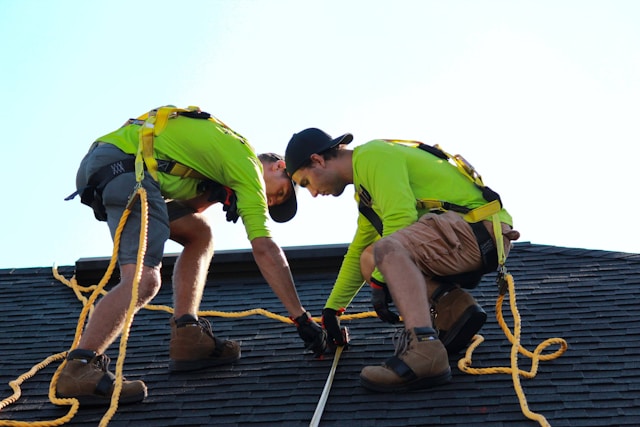
OSHA Roofing Safety Standards
Commercial roofing projects must comply with OSHA safety regulations (https://www.osha.gov/).
Safety considerations include:
- Fall protection systems
- Guardrails and harnesses
- Ladder safety
- Worker training requirements
Ensuring contractor compliance with OSHA standards protects both workers and property owners.
The Role of Local Commercial Roofing Contractors
Working with experienced contractors in Northeast Ohio ensures:
- Climate-specific expertise
- Compliance with regional building codes
- Faster storm response
- Proper membrane installation techniques
Local providers such as G.I.G Strongsville Supreme Roofing & Siding (https://www.strongsvilleroofandsiding.com/) offer commercial roofing solutions tailored to the region’s environmental demands.
When selecting a contractor, commercial property owners should verify:
- Licensing and insurance
- Manufacturer certifications
- Safety compliance
- Detailed written proposals
- Warranty options
Commercial Property Maintenance Framework
To protect your investment, implement a structured maintenance framework:
- Schedule bi-annual professional inspections
- Clear drains and scuppers regularly
- Address ponding water immediately
- Repair membrane punctures promptly
- Review seam integrity
- Maintain detailed service records
A proactive maintenance plan can extend roof lifespan by 5–10 years or more.
Conclusion
Commercial Roofing Systems in Northeast Ohio: Flat Roof Solutions, TPO & EPDM Explained provides critical insight into the materials, drainage systems, and maintenance strategies required for long-term performance. TPO roofing offers reflective energy efficiency and strong seam durability. EPDM rubber roofing provides cost-effective flexibility and proven longevity. Modified bitumen adds multi-layer protection for high-traffic areas.
Proper drainage design, preventative maintenance programs, roof coatings, and compliance with safety and warranty requirements are essential for protecting commercial investments in a region known for snow, storms, and seasonal extremes.
By understanding these flat roof solutions and partnering with experienced professionals, commercial property owners in Northeast Ohio can achieve reliable weather resistance, improved energy efficiency, and long-term structural protection.
Contact Us
Phone Number


|
Mission StatementG.I.G Strongsville Supreme Roofing & Siding has a mission to provide the highest quality roof and siding replacement services in Strongsville, Ohio and surrounding areas. Our promise is to not to cut corners and instead provide your residential or commercial property with the knowledge and expertise to get the job done right the first time as if it was our own. We look forward to serving you soon!
|