Signs You Need Roof Repair in Strongsville, OH Before Winter Hits
March 26, 2026As winter approaches in Strongsville, Ohio, homeowners face a critical window of time to ensure their roofs are in top condition. Northeast Ohio winters are known for heavy snow, ice buildup, freezing temperatures, and strong winds—all of which can put significant stress on your roofing system. Ignoring early warning signs of roof damage can lead to costly repairs, structural issues, and even interior damage once winter weather sets in.
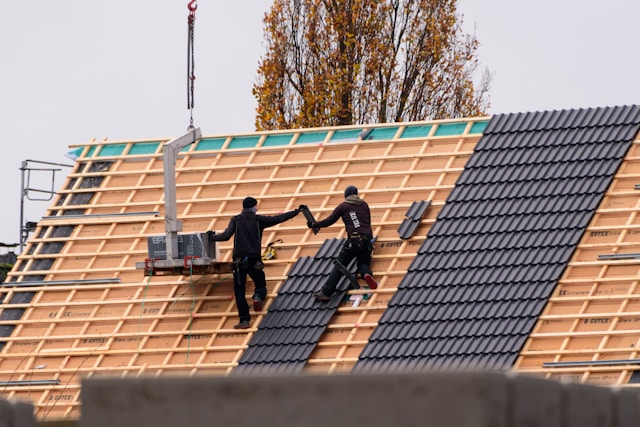
Understanding the key signs that your roof needs repair before winter hits can help you take proactive steps to protect your home, avoid emergency situations, and extend the lifespan of your roof.
Why Pre-Winter Roof Inspections Are Essential in Northeast Ohio
Strongsville and surrounding areas experience dramatic seasonal changes. During winter, roofs must withstand:
- Snow accumulation and heavy loads
- Ice dams forming along roof edges
- Freeze-thaw cycles that expand cracks
- High winds that loosen shingles
- Moisture intrusion from melting snow
Even minor roof issues can quickly escalate under these conditions. A small leak or missing shingle in the fall can turn into significant water damage during winter.
1. Missing or Damaged Shingles
One of the most obvious signs your roof needs attention is missing or damaged shingles.
What to Look For:
- Shingles that are cracked, curled, or buckling
- Bare spots where shingles are missing
- Granules collecting in gutters
Shingles act as your roof’s first line of defense. When they are compromised, your roof becomes vulnerable to water infiltration. Before winter, even a few missing shingles can allow snow and ice to seep beneath the surface, leading to leaks and rot.
2. Roof Leaks or Water Stains
Water stains inside your home are a clear indication of roofing issues.
Warning Signs:
- Brown or yellow stains on ceilings or walls
- Damp attic insulation
- Dripping water during rainstorms
Leaks often start small but worsen quickly in winter due to melting snow and ice dams. Addressing leaks early can prevent structural damage and mold growth.
3. Sagging Roof Areas
A sagging roof is a serious issue that requires immediate attention.
Causes:
- Water damage weakening the structure
- Excess weight from debris or previous snow loads
- Aging roofing materials
If your roof appears uneven or dips in certain areas, it may not be able to handle the additional weight of snow and ice during winter.
4. Clogged or Damaged Gutters
Your gutter system plays a vital role in directing water away from your home.
Signs of Trouble:
- Gutters filled with leaves and debris
- Water overflowing during rain
- Detached or sagging gutters
When gutters are clogged, water can back up onto the roof, increasing the risk of ice dams in winter. Ice dams can force water under shingles, causing leaks and interior damage.
5. Flashing Damage Around Roof Features
Flashing is the material used to seal joints and edges around chimneys, vents, and skylights.
Common Issues:
- Cracked or rusted flashing
- Loose or missing sections
- Gaps around roof penetrations
Damaged flashing allows water to enter vulnerable areas of your roof. In freezing temperatures, trapped moisture expands and worsens the damage.
6. Moss, Mold, or Algae Growth
Organic growth on your roof may seem harmless, but it can indicate deeper problems.
Why It Matters:
- Moss retains moisture against the roof surface
- Mold can spread and damage materials
- Algae can weaken shingles over time
In Strongsville’s climate, moisture buildup combined with freezing temperatures can accelerate roof deterioration if left untreated.
7. Increasing Energy Bills
A damaged roof can impact your home’s insulation and energy efficiency.
Signs to Watch:
- Higher heating costs in fall and winter
- Drafts or uneven indoor temperatures
- Poor attic ventilation
When warm air escapes through the roof, your heating system works harder, increasing energy costs. Addressing roofing issues helps maintain a comfortable indoor environment.
8. Aging Roof (15–25 Years Old)
Even if your roof appears to be in decent condition, age is a major factor.
Typical Lifespan:
- Asphalt shingles: 20–25 years
- Metal roofing: 40–70 years
- Wood shingles: 20–30 years
If your roof is approaching the end of its lifespan, it’s more susceptible to winter damage. A professional inspection can determine whether repairs or a full replacement is needed.
9. Loose or Damaged Roof Components
Your roof is made up of multiple components that must work together effectively.
Check for:
- Loose vents or pipes
- Damaged ridge caps
- Exposed nails or fasteners
Strong winds and temperature fluctuations can loosen these components, creating entry points for water.
10. Ice Dam History
If your home has experienced ice dams in the past, it’s likely to happen again without proper maintenance.
Ice Dam Warning Signs:
- Icicles forming along roof edges
- Water stains near exterior walls
- Previous winter leaks
Preventative repairs, proper insulation, and gutter maintenance can reduce the risk of ice dams forming again.
Roof Repair vs. Roof Replacement: What Do You Need?
Not all roofing issues require a full replacement. Understanding when to repair versus replace can save time and money.
| Condition | Recommended Solution | Reason |
|---|---|---|
| Minor shingle damage | Roof repair | Localized issue, cost-effective fix |
| Small leaks | Roof repair | Early intervention prevents spread |
| Extensive water damage | Roof replacement | Structural integrity may be compromised |
| Roof over 20–25 years old | Replacement | Materials nearing end of lifespan |
| Frequent recurring issues | Replacement | Indicates widespread deterioration |
| Storm or wind damage | Repair or replacement | Depends on severity of damage |
A professional roofing contractor can assess your roof and recommend the best course of action based on its condition.
The Risks of Delaying Roof Repairs Before Winter
Putting off necessary roof repairs can lead to serious consequences during winter months:
- Interior Water Damage: Leaks can damage ceilings, walls, and insulation
- Mold Growth: Moisture creates an ideal environment for mold
- Structural Issues: Prolonged water exposure weakens the roof deck
- Higher Repair Costs: Small problems become major repairs
- Emergency Situations: Winter repairs are more difficult and expensive
Addressing issues early ensures your home is protected when harsh weather arrives.
Benefits of Hiring a Professional Roofing Contractor in Strongsville
Working with an experienced local company like G.I.G Strongsville Supreme Roofing & Siding ensures:
Local Expertise
Contractors understand the unique challenges of Northeast Ohio weather and how it affects roofing systems.
Proper Material Selection
Using high-quality materials designed for cold climates ensures durability and long-term performance.
Safe and Efficient Repairs
Professional crews have the tools and experience to complete repairs safely and effectively.
Long-Term Protection
Quality workmanship helps prevent recurring issues and extends the life of your roof.
How to Prepare Your Roof for Winter
In addition to repairs, homeowners can take proactive steps to prepare their roofs:
- Schedule a professional inspection in early fall
- Clean gutters and downspouts
- Trim overhanging tree branches
- Check attic insulation and ventilation
- Address minor issues before they worsen
These steps can significantly reduce the risk of winter-related damage.
Final Thoughts
Your roof is your home’s first line of defense against the harsh winter conditions in Strongsville, OH. Identifying and addressing problems before winter hits can save you from costly repairs, protect your home’s structure, and ensure your family stays safe and comfortable.
From missing shingles and leaks to aging materials and gutter issues, the warning signs are often easy to spot—if you know what to look for. Taking action early allows you to avoid the stress and expense of emergency repairs during the coldest months of the year.
If you notice any of these signs, it’s best to consult with a trusted local roofing professional. With the right repairs and maintenance, your roof will be ready to withstand whatever winter in Northeast Ohio has to offer.
Contact Us
Phone Number


|
Mission StatementG.I.G Strongsville Supreme Roofing & Siding has a mission to provide the highest quality roof and siding replacement services in Strongsville, Ohio and surrounding areas. Our promise is to not to cut corners and instead provide your residential or commercial property with the knowledge and expertise to get the job done right the first time as if it was our own. We look forward to serving you soon!
|